How to Care for 18K Gold-Plated Jewellery and Make It Last Longer
- roshh455
- 2 days ago
- 8 min read

Gold-plated jewellery adds warmth, shine and polish to everyday outfits, but it needs gentler care than solid gold. The outer layer of gold is the part you see and touch, so daily habits make a real difference to how your pieces look over time.
18K gold-plated jewellery is made by applying a layer of 18K gold over a base metal. It is not the same as solid gold, and it should not be treated as if it is. With the right routine, your ROSHH necklaces, earrings, rings, bracelets and anklets can stay looking beautiful for longer.
This guide explains practical 18K gold-plated jewellery care in a simple, everyday way, from wearing and cleaning to storage and travel.

What Is 18K Gold-Plated Jewellery?
18K gold-plated jewellery has a thin layer of 18K gold applied over another metal. The 18K refers to the gold used in the outer layer, not the entire piece.
That is the main difference between gold-plated and solid gold jewellery.
Solid gold jewellery is made from gold alloy throughout. Gold-plated jewellery has gold on the surface. This makes gold-plated pieces a beautiful and accessible option, but the surface layer needs thoughtful care because rubbing, chemicals and moisture can affect its appearance.
A simple way to understand it is this:
Solid gold jewellery | 18K gold-plated jewellery |
Gold alloy runs through the whole piece | 18K gold is applied as a surface layer |
Usually more expensive | Usually more accessible |
Can often handle more polishing and wear | Needs gentle cleaning and storage |
Surface scratches are still gold underneath | Strong rubbing can affect the plated layer |
Gold-plated jewellery is ideal for styling, layering and everyday dressing, as long as you care for it with the finish in mind.
How to Care for 18K Gold-Plated Jewellery
The best care routine is not complicated. It is mostly about reducing contact with products, moisture and friction.
If you are wondering how to care for gold-plated jewellery day to day, start with one rule: put it on last and take it off first.
Keep Jewellery Away From Perfume and Cosmetics
Perfume, body lotion, sunscreen, hair spray and makeup can leave residue on jewellery. Some formulas may also dull the surface or build up around small details.
Follow this routine before wearing your pieces:
Apply perfume, lotion, makeup and sunscreen first.
Let products dry fully.
Wear your jewellery after getting dressed.
Wipe pieces gently after use if they touched cosmetics.
This is especially useful for necklaces and earrings, which often sit close to perfume, hair products and skincare.
Avoid Prolonged Contact With Water and Sweat
Gold-plated jewellery should not be treated as waterproof unless the brand clearly states that for a specific product. In general, it is better to remove plated jewellery before bathing, swimming, exercising or sleeping.
Water on its own may not seem like much, but daily exposure can combine with soap, chlorine, salt, sweat or body products. Over time, that can affect the look of the plating.
Remove your ROSHH pieces before:
Showering or bathing
Swimming in a pool or the sea
Working out
Washing dishes
Applying hand sanitiser or hand cream
Going to bed
Rings and bracelets need extra care because they come into contact with water, soap and surfaces more often than necklaces or earrings.
Reduce Friction During Daily Wear
Friction is one of the biggest reasons plated jewellery can lose its finish faster. It happens when pieces rub against skin, fabric, bags, watches, other jewellery or hard surfaces.
Small habits help:
Avoid wearing multiple rings on neighbouring fingers if they rub together.
Keep bracelets away from metal watches or tight bangles.
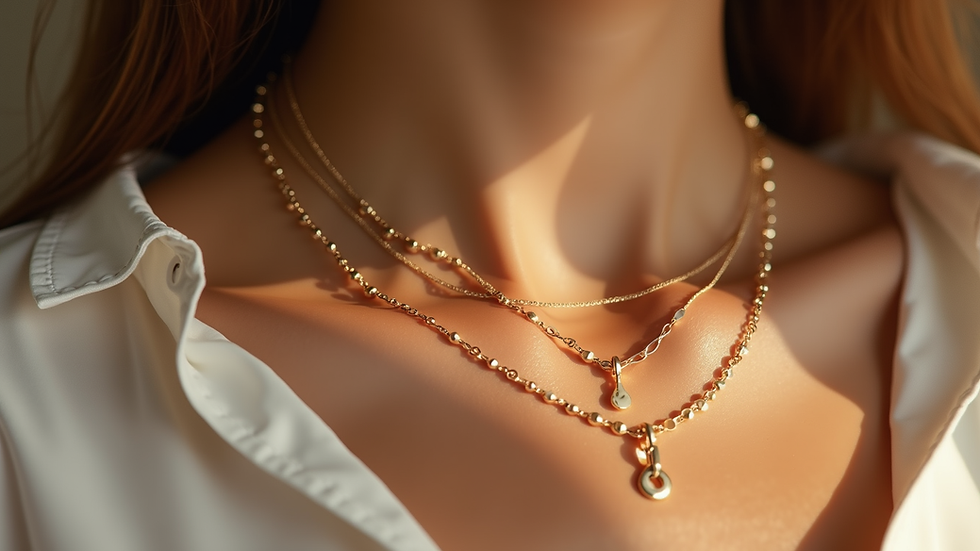
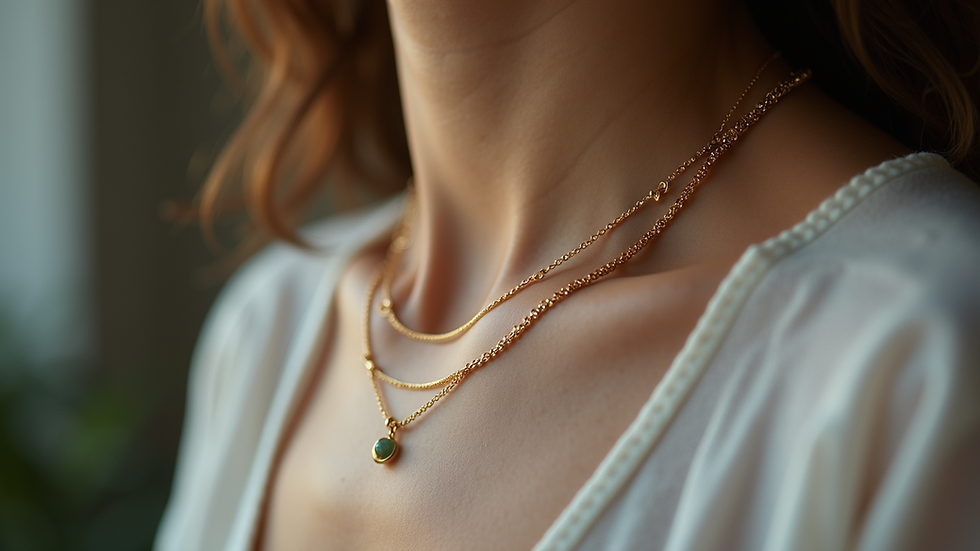
Be careful when layering necklaces, especially chains with different textures.
Remove anklets before wearing tight socks or shoes that may rub.
Take rings off before lifting weights, carrying heavy bags or cleaning.
Layering looks beautiful, but give each piece a little space when possible.

How to Clean Gold-Plated Jewellery Safely
Cleaning gold-plated jewellery is less about scrubbing and more about removing light residue gently. Harsh methods can do more harm than good.
For regular care, a soft dry cloth is usually enough.
Use a Soft Cloth After Wearing
After wearing your jewellery, wipe it with a clean, soft, lint-free cloth. Microfibre cloths work well. This helps remove sweat, oils and product residue before storage.
Use light pressure only. Do not rub aggressively, especially on chains, charms, clasps or textured areas.
Wash Gently Only When Needed
If a piece needs more than a dry wipe, use a mild cleaning method.
Mix a few drops of mild liquid soap with lukewarm water.
Dip a soft cloth into the mixture.
Wring it out so it is damp, not wet.
Wipe the jewellery gently.
Use a second cloth dampened with plain water to remove soap.
Dry the piece fully with a soft cloth.
Let it air dry completely before storing.
Avoid soaking gold-plated jewellery unless the care guidance for that exact piece says it is safe. Soaking can allow water to sit in clasps, links, stones or fine details.
Avoid Harsh Cleaning Products
Do not use abrasive or chemical-heavy products on plated pieces. They can scratch, dull or affect the surface.
Avoid:
Toothpaste
Baking soda pastes
Vinegar
Bleach
Alcohol-based cleaners
Jewellery dips made for other metals
Rough brushes
Hard polishing cloths
Ultrasonic cleaners
Steam cleaners
If a chain or small detail is hard to clean, resist the urge to scrub. Wipe gently and let it dry well. For delicate or sentimental pieces, professional advice is safer than guesswork.
How to Store Gold-Plated Jewellery
Good storage is one of the easiest ways to protect the surface. When jewellery is tossed into one box, pieces rub against each other. Chains tangle, rings scratch, and earrings can knock against stones or metal edges.
Knowing how to store gold-plated jewellery properly can help reduce unnecessary wear.
Store Each Piece Separately
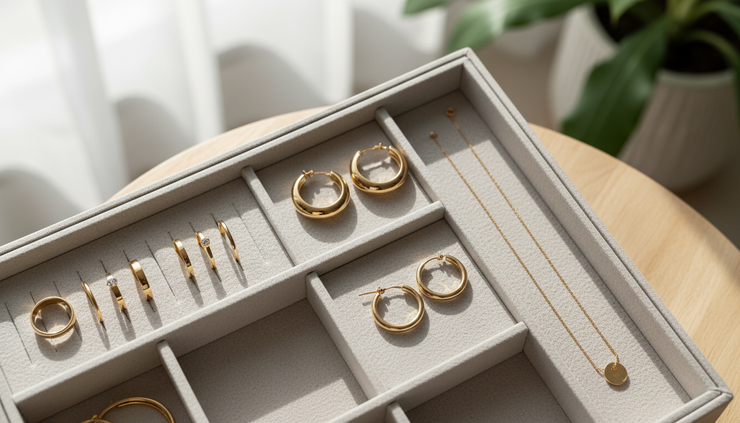
The best approach is to keep each item in its own soft pouch, cloth-lined box or separate compartment.
Good storage options include:
A soft jewellery pouch
A fabric-lined jewellery organiser
A small zip pouch for travel
Individual compartments for rings and earrings
Necklace hooks that prevent tangling
Avoid storing pieces loose in handbags, bathroom cabinets or open trays where they collect dust and moisture.
Keep Jewellery in a Dry Place
Store gold-plated jewellery in a cool, dry place away from direct sunlight and humidity. Bathrooms are not ideal because moisture levels change often.
Before storing, make sure each piece is fully dry. Even a little trapped moisture can sit around clasps, chains and crevices.
A simple storage routine works well:
Wipe the piece after wearing.
Let it dry if needed.
Place it in a soft pouch or lined compartment.
Keep chains unclasped only if they are stored flat and untangled.
Fasten necklaces before placing them in pouches to reduce knots.
How to Make Gold-Plated Jewellery Last Longer
There is no single trick that keeps gold-plated jewellery looking new forever. Plating can naturally change with wear. But you can slow visible wear by choosing when and how to wear your pieces.
Match the Piece to the Activity
Some jewellery is better for relaxed outings, office wear, dinners or celebrations. Other moments are harder on plated surfaces.
Before wearing a piece, ask what it will come into contact with. A ring worn while cooking, cleaning and washing hands may face more wear than a necklace worn for a few hours at dinner.
Use this quick guide:
Situation | Better choice |
Workday or lunch outing | Necklaces, earrings, rings or bracelets with mindful wear |
Gym, yoga or running | Remove jewellery before starting |
Beach or pool day | Store jewellery safely before water exposure |
Skincare or makeup routine | Wear jewellery after products dry |
Travel | Carry pieces in separate soft pouches |
Sleeping | Remove jewellery before bed |
Rotate Your Favourite Pieces
Wearing the same piece every day places all the wear on that one item. Rotating necklaces, earrings, rings, bracelets and anklets gives each piece a break.
This also helps you style your collection in more ways. A fine chain can be saved for days when it will not rub against heavy fabrics. Statement earrings can be worn after hair spray has dried. Rings can be kept for days when you are not doing hands-on work.
Be Extra Careful With Rings and Anklets
Rings and anklets often need more attention than other jewellery.
Rings meet hand wash, sanitiser, moisturiser, kitchen products, bags, keys and hard surfaces. Anklets can rub against footwear, socks and skin, especially in warm weather.
For rings:
Remove them before washing hands where possible.
Put them back on after drying your hands fully.
Avoid wearing them while cleaning or cooking.
Store them separately so they do not scratch each other.
For anklets:
Avoid wearing them with tight footwear that rubs.
Remove them before swimming or showering.
Wipe them after humid days or long wear.
Store them flat to prevent tangling.
Pack Jewellery Carefully When Travelling
Travel can be rough on jewellery. Pieces move around in bags, chains tangle, and earrings get scratched.
Pack jewellery this way:
Use a travel jewellery case with separate sections.
Place each necklace in a small pouch.
Fasten chains before packing.
Keep earrings paired together.
Avoid keeping jewellery in a loose makeup pouch.
Do not leave pieces in damp areas after use.
For short trips, even a soft cloth pouch can help if each piece is wrapped separately.

Common Mistakes to Avoid
Most gold-plated jewellery care mistakes happen during busy routines. The good news is that they are easy to fix.
Avoid these habits:
Wearing jewellery in the shower every day
Spraying perfume directly onto necklaces or earrings
Applying hand cream while wearing rings
Storing all pieces together in one box
Scrubbing with toothpaste or rough cloth
Sleeping in fine chains
Wearing bracelets next to hard watches
Leaving jewellery in humid bathrooms
Packing pieces loose while travelling
A small change, such as keeping a jewellery dish near your dressing area, can make daily care easier. Use it as a temporary spot before storing pieces properly.
A Simple Everyday Care Routine
If you want the shortest version of caring for 18K gold-plated jewellery, follow this routine:
Before wearing
Apply skincare, perfume and hair products first. Let everything dry.
While wearing
Avoid water, sweat, chemicals and heavy friction where possible.
After wearing
Wipe jewellery gently with a soft dry cloth.
Before storing
Make sure it is fully dry.
When storing
Keep each piece separate in a pouch, box or lined compartment.
This routine takes less than a minute, but it helps protect the finish from the most common causes of dullness and wear.
When Should You Clean or Rest a Piece?
You do not need to clean gold-plated jewellery deeply after every wear. Too much cleaning, especially with the wrong method, can be unnecessary.
Use a soft cloth after regular wear. Use mild soap and water only when there is visible residue or a piece feels sticky from products.
Give a piece a rest if:
It has been exposed to sweat or moisture.
It feels coated with lotion or sunscreen.
It was worn for a long day in humid weather.
It rubbed against clothing, bags or other jewellery.
You notice the shine looking dull.
Let the piece dry fully, wipe it gently, and store it properly before the next wear.
Final Takeaway
18K gold-plated jewellery is made to be enjoyed, not kept hidden away. The key is to wear it with a little care. Keep it away from perfume, cosmetics, water and harsh cleaners. Wipe it gently after use. Store each piece separately in a dry place.
That is how to clean gold-plated jewellery, store it safely and make gold-plated jewellery last longer in everyday life.
With a simple routine, your ROSHH necklaces, earrings, rings, bracelets and anklets can stay ready for the moments you want to shine.

Comments